


Gas | Electric | Wood Burning | Bio-Ethanol Fuel Solutions


A warm welcome to Stoke Flame
The exciting new look for Stoke Gas & Fireplace Centre
With over 55 years in business (est. 1970), we are one of the UK’s top leading premier fireplace centres.
Our fabulous extensive showrooms now cover four buildings creating one of the largest fireplace showrooms in the country, showcasing products from all the leading brands, with over 150 live working electric, gas and wood burning fires and stoves and nearly 200 fireplace displays. Combined with our bespoke fireplaces we are sure you will find the right product for your home and budget.
Our fabulous extensive showrooms now cover four buildings creating one of the largest fireplace showrooms in the country, showcasing products from all the leading brands, with over 150 live working electric, gas and wood burning fires and stoves and nearly 200 fireplace displays. Combined with our bespoke fireplaces we are sure you will find the right product for your home and budget.
Our showrooms are open seven days a week and we have ample free parking

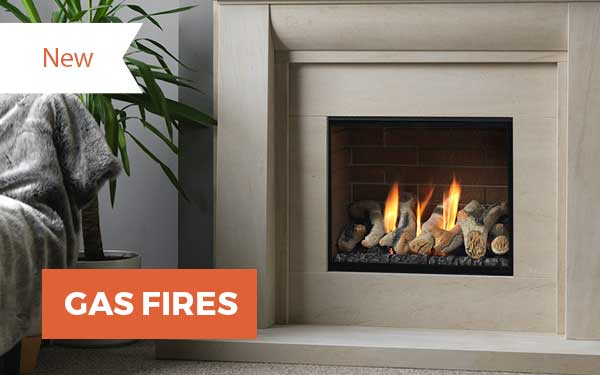

ELECTRIC MEDIA WALL BUILT-IN FIRES
View our exciting new collections, now available online and in-store. We guarantee that you cannot buy better cheaper.
Information & Support
01782 271197
01782 271197
Showroom opening times:
Monday to Wednesday, 10am – 4pm
Thursday to Friday, 10am – 5pm
Saturday, 9am – 5pm
Sunday, 10am – 4pm
At all other times, please email us your enquiry
info@stokeflame.com
Emails are monitored Monday – Friday 10am -4pm
LARGE FREE CAR PARK